2026-11-05 · Mike Metcalf
How Much Does Water Damage Restoration Cost in Waterloo, Iowa?
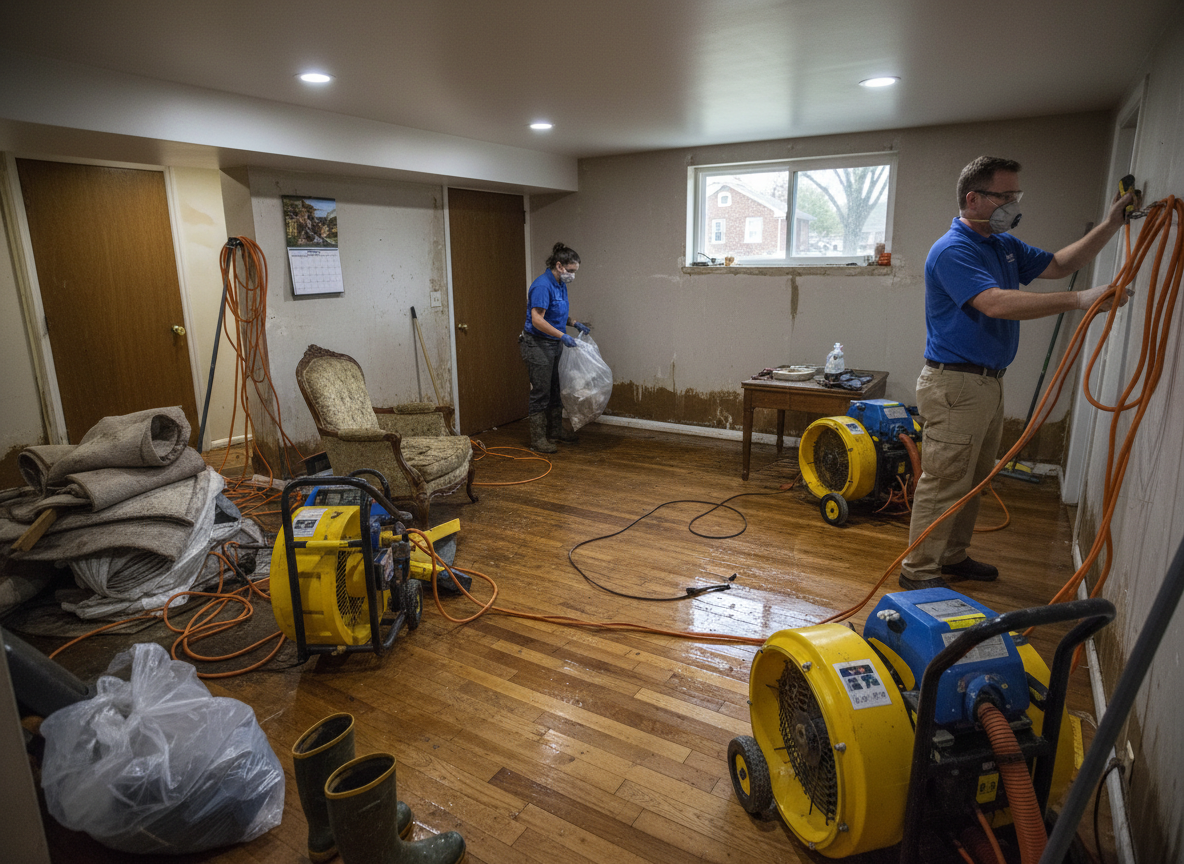
Water damage restoration costs in Waterloo, Iowa generally range from $800 to $6,500 for most residential jobs, with flood cleanup projects sometimes reaching $10,000 or more when extensive structural drying is required. Prices depend on water volume, affected square footage, and how quickly extraction begins. Homes in older neighborhoods often see higher totals because plaster walls and outdated plumbing complicate removal and drying.
Cost Factors Unique to Waterloo Housing Stock
Waterloo's housing stock includes many pre-1960 homes on the West Side and East Side plus properties near the Cedar Falls border areas. These structures frequently feature full basements with concrete block foundations that absorb moisture during spring snowmelt and heavy summer rains. Cold winters in the humid continental climate push heating systems to run harder, which can spread hidden moisture into wall cavities if a burst pipe occurs. Downtown properties near the Grout Museum District and Waterloo Center for the Arts tend to have tighter lots and shared walls, making equipment placement slower and increasing labor hours. Black Hawk County soil is heavy clay in many spots, so groundwater lingers longer after storms compared with sandier areas near Cedar Rapids.
Typical Price Ranges by Job Type
Minor leaks limited to one room often total $800–$1,800 when only extraction and drying are needed. Category 2 water that reaches subflooring commonly lands between $2,200 and $4,800. Full flood cleanup after heavy rain or sewer backup in a 1,000-square-foot basement typically runs $5,000–$9,500 because multiple dehumidifiers and air movers must run for five to seven days. Larger commercial spaces near the Sullivan Brothers Veterans Museum command higher daily equipment rates due to square footage alone. Homeowners in Cedar Falls border areas sometimes pay 10–15 percent less than downtown rates because access is easier and fewer historic finishes require protection.
How Local Weather Patterns Influence Final Bills
Hot summers increase evaporation rates, which can shorten drying times but also raise the risk of secondary mold if humidity is not controlled quickly. Winter freezes cause pipes to burst in uninsulated West Side crawl spaces, often requiring same-day response to keep costs under $3,000. Spring and fall rains saturate yards on the East Side, pushing water against foundations and turning small seepage into full flood damage cleanup jobs. Properties along the Cedar River corridor see more Category 3 water events, which demand additional antimicrobial steps and therefore add $1,200–$2,500 to the base restoration price.
Practical Steps That Keep Costs Down
Acting within the first 24 hours limits the spread of moisture into hardwood floors and drywall, often saving $1,500 or more. Homeowners can request a written scope that separates emergency water extraction from later structural drying so they understand each line item. Checking for standing water near sump pumps before calling for service prevents unnecessary equipment rental charges. Reading what to do in the first 24 hours after water damage in Waterloo helps residents document conditions for insurance while the extraction crew is en route.